
snakeNet.org Returns!
After years in dark mode, snakeNet.org is officially back with Project COSMOS—a community-first ecosystem pairing lightweight Docker GitOps with AI-driven vector databases and autonomous web intelligence. Ditching corporate bloat to bring the fun back into engineering, snakeNet returns to its open-source roots to build simple, powerful tools for developers who love owning their own tech.
Determinism vs. Non-Determinism in Production AI Harnesses
Chapter 1 of 3 in the series on determinism in production AI harnesses. Why production agent frameworks like Claude Code, Copilot Agent Mode, and Codex are far more scripted and deterministic than their marketing suggests — and the "Deterministic Scaffold / Non-Deterministic Engine" pattern that makes them reliable. Chapter 2 applies it to routing every turn; chapter 3 adds a System One classifier in front of the model.
Dual-Loop Multi-Agent Architecture
Chapter 2 of 3 in the series on determinism in production AI harnesses, following directly from chapter 1, "Determinism vs. Non-Determinism in Production AI Harnesses". It applies chapter 1's Golden Rule to the first decision a harness makes on every turn — how much scaffolding a request needs — by routing each turn through a deterministic Gatekeeper into either a Fast Path or a structured Planner Path, avoiding the over-planning trap while keeping plan generation, execution and error recovery outside the model's own authority. Chapter 3 replaces the router's fast classifier with a System One model.
snakeNet.org Returns!
After years in dark mode, snakeNet.org is officially back with Project COSMOS—a community-first ecosystem pairing lightweight Docker GitOps with AI-driven vector databases and autonomous web intelligence. Ditching corporate bloat to bring the fun back into engineering, snakeNet returns to its open-source roots to build simple, powerful tools for developers who love owning their own tech.
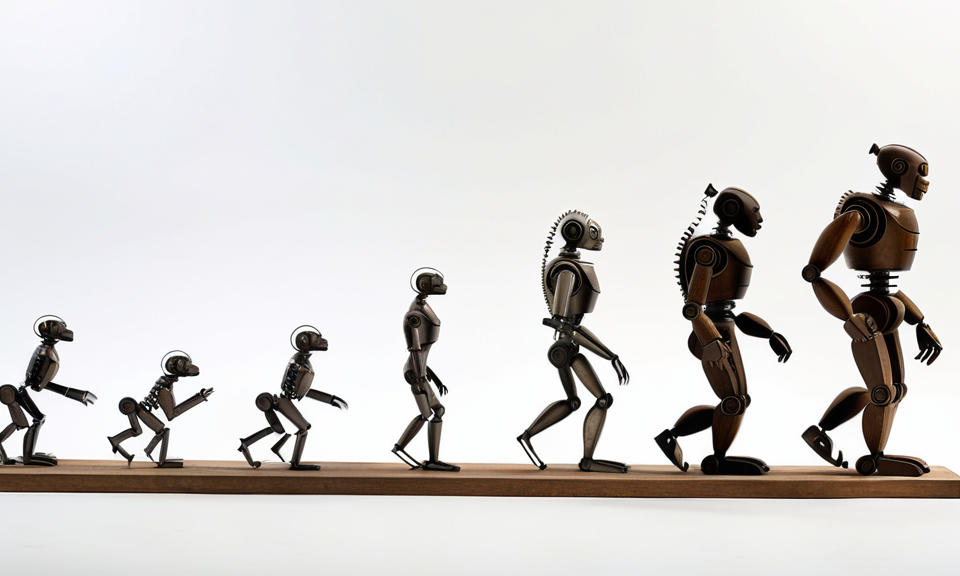
From IRC Scripts to Silicon Minds: 15 Years on the Bleeding Edge of AI Agents
The modern discourse surrounding Large Language Models (LLMs) and autonomous agents often treats AI-driven automation as a sudden paradigm shift. However, for those who have spent over a decade architecting embedded systems, edge computing platforms, and human-machine interfaces (HMIs), the current landscape represents an evolutionary leap in system autonomy rather than an isolated anomaly.
This paper outlines the transition from rule-based script automation (circa 2009) to current multi-modal LLM orchestration. Drawing from real-world execution across hardware design, robotics engineering, and product leadership, it provides a critical analysis of developer experience (DX), systemic risks of abstraction, and strategic principles for deploying AI agents in high-stakes operational environments.
It is also the prologue to a three-part series on determinism in production AI harnesses.
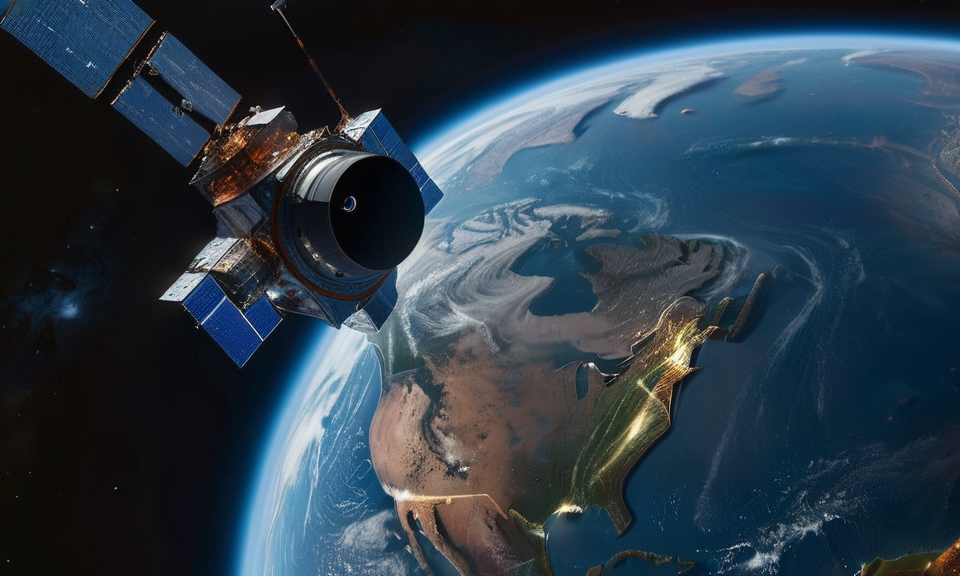
Satellite Is Launching Soon 🚀
Say goodbye to bloated deployment pipelines and fragmented UI tooling. Satellite—the latest release from snakeNet.io’s Project COSMOS—is a lean, all-in-one GitOps deployment platform. Built on FastAPI and Vue 3, Satellite packs request validation, OIDC authentication, and a sleek web portal into a single deployable container. Production-grade deployments just got simple.
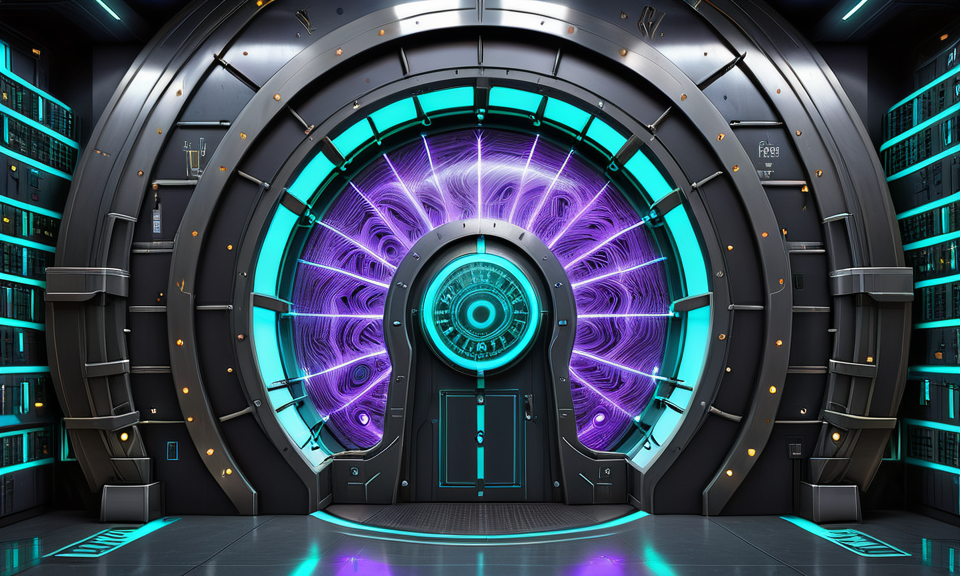
Meet Nebula Vault: A Secrets Manager You Actually Own
A self-hosted, open-source secrets and certificate manager with automatic GitHub sync, a built-in MCP server, and a CLI for your pipelines — try it in under a minute with one docker pull.
Determinism vs. Non-Determinism in Production AI Harnesses
Chapter 1 of 3 in the series on determinism in production AI harnesses. Why production agent frameworks like Claude Code, Copilot Agent Mode, and Codex are far more scripted and deterministic than their marketing suggests — and the "Deterministic Scaffold / Non-Deterministic Engine" pattern that makes them reliable. Chapter 2 applies it to routing every turn; chapter 3 adds a System One classifier in front of the model.